
What Is a Roof Fascia? A Homeowner’s Guide
Most homeowners can spot a damaged roof tile or a blocked gutter, but the fascia board? That often goes unnoticed until something goes wrong. The roof fascia is a key part of your home’s roofline, quietly doing important work day after day. It supports your guttering, shields the ends of your roof rafters, and gives the edge of your roof a clean, finished look.
At Majestic Designs UK Ltd, we work with homeowners across Somerset and the South West of England, and we know that a little knowledge goes a long way when it comes to protecting your property. This guide walks you through everything you need to know about the fascia roof, what it is, what it does, what it’s made from, and when it might be time for a replacement.
What Is a Roof Fascia?
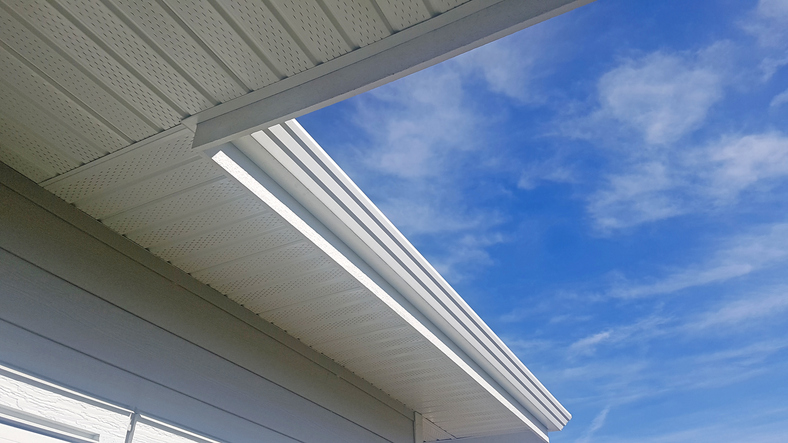
The roof fascia is the long, horizontal board fitted along the lower edge of the roof. It sits just below the roof tiles and directly behind the guttering, covering the ends of the roof rafters and creating a neat, defined edge where the roof meets the outer walls of the house.
In simple terms, it is the visible board you see running along the front edge of the roofline. Far from being purely decorative, the fascia roof board plays a practical structural role that supports several other roofline components.
Where Is the Fascia on a Roof Located?
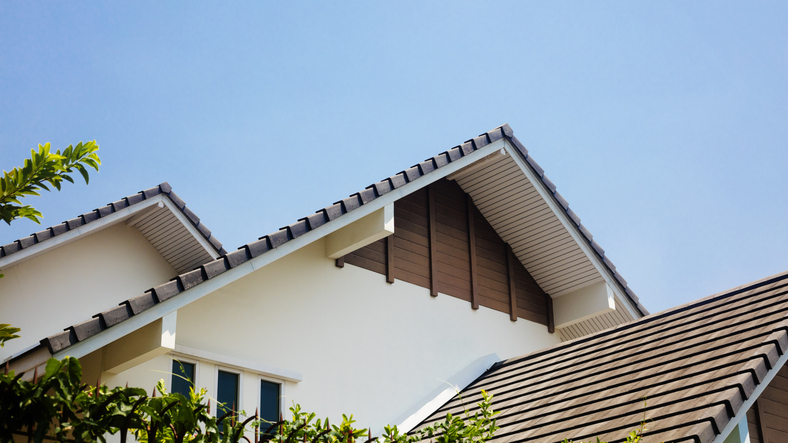
The fascia of the roof sits along the lower edge of the roofline, running horizontally across the full width of each roof pitch. It is one of the most visible roofline components from street level, which is why its condition and appearance can significantly affect your home’s overall look. The fascia board is typically positioned:
- Directly beneath the first row of roof tiles
- In front of and covering the ends of the roof rafters
- Immediately behind the gutter system, which is usually fixed directly onto it
What Does a Roof Fascia Do?
The fascia for roofing serves several practical functions that go well beyond appearance. Understanding these functions helps explain why keeping the fascia in good condition matters so much.
First, it supports the guttering by providing the fixing point for gutter brackets, holding the entire gutter system securely in place. It also protects the roof rafters by covering their exposed ends, shielding them from rain, wind, and moisture. A solid, well-maintained fascia helps keep out pests too, preventing birds, insects, and small animals from accessing the roof structure. Finally, a clean, well-fitted fascia improves kerb appeal, giving the roofline a finished, professional appearance.
Why Is Fascia Important for Roofing?
Without a properly fitted fascia for roofing, the edges of the roof and the ends of the rafters are left exposed to the elements. In a region like Somerset, where rainfall is frequent and weather conditions can be unpredictable, this exposure can cause serious problems over time. Exposed or damaged fascia boards can lead to:
- Water ingress and damp spreading into the roof structure
- Timber rafter ends rotting due to prolonged moisture contact
- Mould growth in the roof void
- Pest access, including nesting birds and insects
- Structural weakening of the roofline over time
Roof Fascia vs Soffit: What Is the Difference?
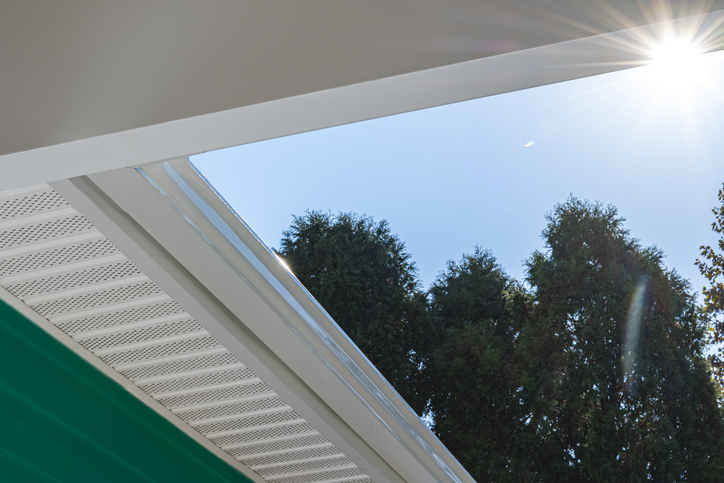
The fascia and soffit are often mentioned together, and for good reason; they work as a pair to protect the roofline. However, they are two distinct components with different positions and functions. The fascia is the front-facing, vertical board fixed along the roof edge. The soffit is the horizontal board fitted to the underside of the roof overhang, bridging the gap between the fascia and the outer wall. Together, they:
- Enclose and protect the roof eaves
- Support ventilation into the roof space
- Present a clean, uniform finish to the roofline
- Work as a system to keep moisture and pests out
Common Roof Fascia Materials
Roof fascia boards are available in a range of materials, each with its own practical advantages. The right choice depends on your budget, your maintenance preferences, and the style of your property. Common fascia materials include:
- uPVC: Durable, low maintenance, weather-resistant, and widely used across modern and period properties alike
- Timber: Traditional in appearance and well-suited to older properties, but requires regular upkeep
- Aluminium: Lightweight and corrosion-resistant, often used in commercial or contemporary builds
- Metal composites: A more specialist option, offering high durability in exposed locations
uPVC Roof Fascia Boards
uPVC fascia boards have become the material of choice for many homeowners across the South West of England. Unlike timber, uPVC does not rot, warp, or swell when exposed to moisture. It requires no painting, no treating, and very little ongoing maintenance. The main benefits of uPVC fascia boards include:
- Long lifespan with minimal upkeep
- Resistance to rain, frost, and UV exposure
- Available in a wide range of colours and woodgrain finishes
- A cost-effective solution for long-term roofline protection
Timber Roof Fascia Boards
Timber fascia boards offer a natural, traditional look that suits older or character properties particularly well. Many homes in Somerset and across the South West were originally built with timber roofline components, and some homeowners prefer to retain that aesthetic when replacing them. The key considerations with timber fascia boards include:
- They require regular painting or treatment to maintain weather resistance
- Untreated or poorly maintained timber will absorb moisture and begin to rot
- Cracking, warping, and splitting can occur as the timber ages
- They may need more frequent inspection and maintenance than uPVC alternatives
Can Roof Fascia Affect Your Gutters?
The fascia board is the direct fixing point for the gutter system, which means its condition has a direct impact on how well the gutters perform. A weakened, rotting, or loose fascia roof board cannot hold gutter brackets securely in place. When the fascia board is compromised, gutters may:
- Pull away from the roofline
- Sag or slope incorrectly, causing water to pool
- Overflow during heavy rainfall
- Allow water to run back down the wall rather than away from the property
How Roof Fascia Helps Protect Your Home
The fascia for roofing acts as a protective barrier at one of the most vulnerable points of any building, the junction between the roof and the outer walls. This area is constantly exposed to rain, wind, and temperature changes throughout the year. Fascia boards help protect the home by:
- Blocking wind-driven rain from reaching the rafter ends
- Preventing debris from accumulating in the roof eaves
- Stopping birds from nesting inside the roof structure
- Reducing the risk of moisture damage spreading into the roof void
- Maintaining a sealed edge that keeps the roofline structurally sound
Maintaining Your Roof Fascia
Routine maintenance is the simplest and most cost-effective way to extend the life of your fascia roof boards and avoid more serious repairs down the line. The team at Majestic Designs UK Ltd recommends including fascia boards in any regular roof or gutter inspection. Practical maintenance steps include:
- Clearing gutters regularly to prevent water from pooling and pressing against the fascia
- Checking for visible signs of cracking, splitting, or discolouration
- Looking for soft spots or areas of rot, particularly in timber fascia boards
- Ensuring gutter brackets remain firmly fixed and are not pulling away from the board
- Arranging a professional inspection if the fascia appears loose, bowed, or damaged
When Should You Replace Roof Fascia Boards?
Fascia boards do not last forever, and there are clear signs that replacement may be necessary. Leaving damaged fascia in place puts the wider roofline at risk and can lead to more expensive repairs to rafters, soffits, and guttering further down the line. It is time to consider replacing your fascia roof boards when:
- The boards are visibly rotten, soft, or crumbling
- There is significant warping, bowing, or cracking
- Gutters are pulling away or no longer sitting level
- Paint or surface coatings are failing repeatedly on timber boards
- You are upgrading other roofline components to uPVC and want a consistent finish
Replacing old or damaged fascia boards is also an ideal opportunity to upgrade to uPVC roofline products, reducing future maintenance and improving long-term weather resistance.
The Roof Fascia: A Small Component That Does a Big Job
The roof fascia may not be the first thing you notice when you look at your home, but it is one of the hardest-working components on the entire roofline. It supports your gutters, protects your rafters, keeps out pests and moisture, and holds the edge of your roof together, all while contributing to the finished appearance of your property.
Keeping your fascia roof boards in good condition through regular maintenance and timely replacement is one of the most practical investments you can make in the long-term health of your home. If you have noticed signs of wear, sagging gutters, or suspect your fascia boards may be past their best, the team at Majestic Designs UK Ltd is here to help. We provide expert roofline services across Somerset and the South West of England, helping homeowners protect and improve their properties with quality materials and professional installation. Contact us to learn more.
Frequently Asked Questions
What Is a Fascia Roof Board?
A fascia roof board is the long, horizontal board fixed along the lower edge of the roofline. It covers the ends of the roof rafters, supports the gutter system, and creates a neat edge where the roof meets the outer walls of the building.
Where Is the Fascia of the Roof Located?
The fascia of the roof sits along the lower edge of each roof pitch, running horizontally across the width of the house. It is positioned just below the roof tiles, behind the guttering, and in front of the exposed rafter ends.
Why Is Roof Fascia Important?
Roof fascia is important because it protects the ends of the rafters from moisture, provides the fixing point for guttering, helps keep out pests, and maintains the structural integrity of the roofline. Without it, the roof edges are exposed to rain and weather, which can cause rot and long-term structural damage.
What Is the Best Material for Fascia for Roofing?
uPVC is widely considered the most practical material for fascia for roofing in the UK. It does not rot or warp, requires no painting, and offers long-term weather resistance with very little maintenance. Timber is a good option for traditional or period properties but requires regular treatment.