

Conservatory or Extension: Which Is the Better Choice for Your Home?
When we need more living space, one of the first questions we often face is whether to choose a conservatory or a traditional extension. Both options can add valuable extra room to a property, improve day-to-day living, and potentially increase its appeal to future buyers. However, they serve slightly different purposes, and the right choice depends on how you intend to use the space.
From our experience, homeowners are often drawn to conservatories because they can be quicker and more cost-effective to install. Others prefer extensions because they create a room that feels fully integrated with the existing property. While both options offer clear advantages, understanding the differences before making a decision can save time, money, and disappointment later.
In this guide, we’ll compare conservatories and extensions in detail, covering costs, planning considerations, energy efficiency, appearance, and long-term value. By the end, you should have a clearer understanding of which option best suits your home and lifestyle.
Understanding the Difference Between a Conservatory and an Extension
Although conservatories and extensions both create additional space, they are constructed differently and often serve different functions.
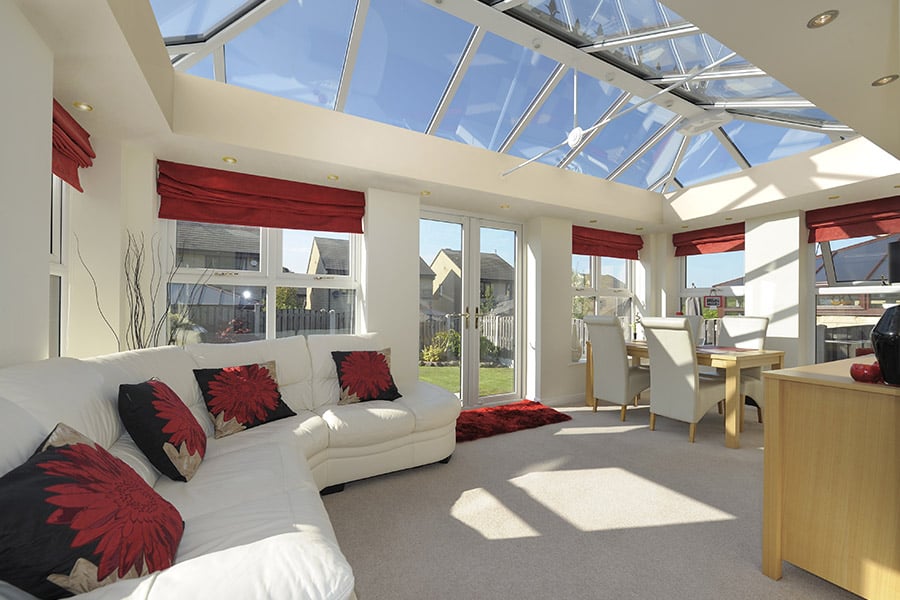
A conservatory is typically built with a high proportion of glazing, including glass walls and a glazed roof or partially glazed roof. This creates a bright environment with strong connections to the garden and surrounding outdoor space.
An extension, by comparison, is usually constructed using brickwork and traditional building materials that closely match the existing property. It often feels like a seamless continuation of the home, with solid walls and a conventional roof structure.
From our experience, the distinction has become less obvious in recent years as conservatory technology has improved and many homeowners choose hybrid designs that combine features from both options.
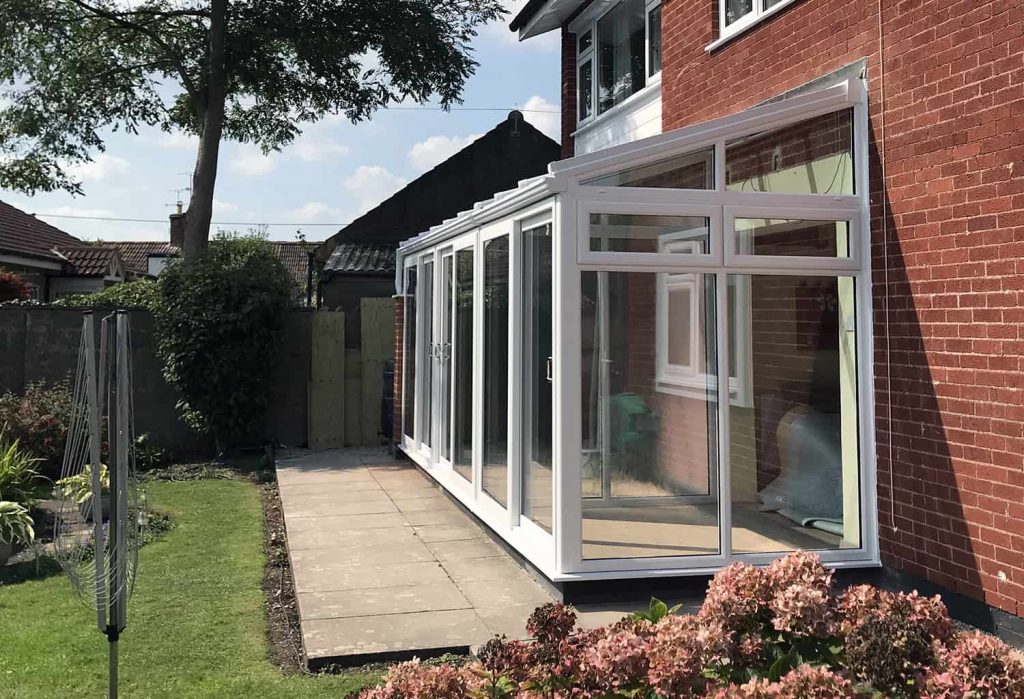
Cost Comparison: Conservatory vs Extension
Budget is often one of the biggest deciding factors when choosing between these two home improvements.
Conservatory Costs
In general, conservatories tend to be less expensive than full extensions. The construction process is usually simpler, materials can be more affordable, and installation times are often shorter.
For homeowners seeking additional space without a major building project, a conservatory can provide an attractive solution. From our experience, it is often viewed as a cost-effective way to create a dining area, garden room, home office, or relaxation space.
The final cost depends on factors such as size, glazing specifications, roof design, and finishing options.
Extension Costs
Extensions typically require a larger investment because they involve more extensive building work. Foundations, brickwork, roofing, plumbing, electrical installations, and interior finishing all contribute to the overall cost.
However, the additional expenditure often results in a room that feels fully integrated with the house. Many homeowners consider this worthwhile, particularly when creating larger kitchens, family rooms, or additional living accommodation.
Planning Permission and Building Regulations
Before starting any project, it is important to understand the regulatory requirements.
Conservatory Planning Requirements
Many conservatories can be built under permitted development rights, meaning formal planning permission may not be required. However, size limits and other restrictions still apply.
The Planning Portal provides guidance on permitted development and can help homeowners determine whether their project falls within the permitted limits.
From our experience, it is always sensible to confirm requirements before work begins, particularly if the property is listed or located within a conservation area.
Extension Planning Requirements
Extensions are more likely to require planning approval, especially if they exceed permitted development allowances. Building regulations approval is also generally required for most extension projects.
While this can increase the complexity of the process, it also ensures that the completed structure meets current standards for safety, energy performance, and structural integrity.
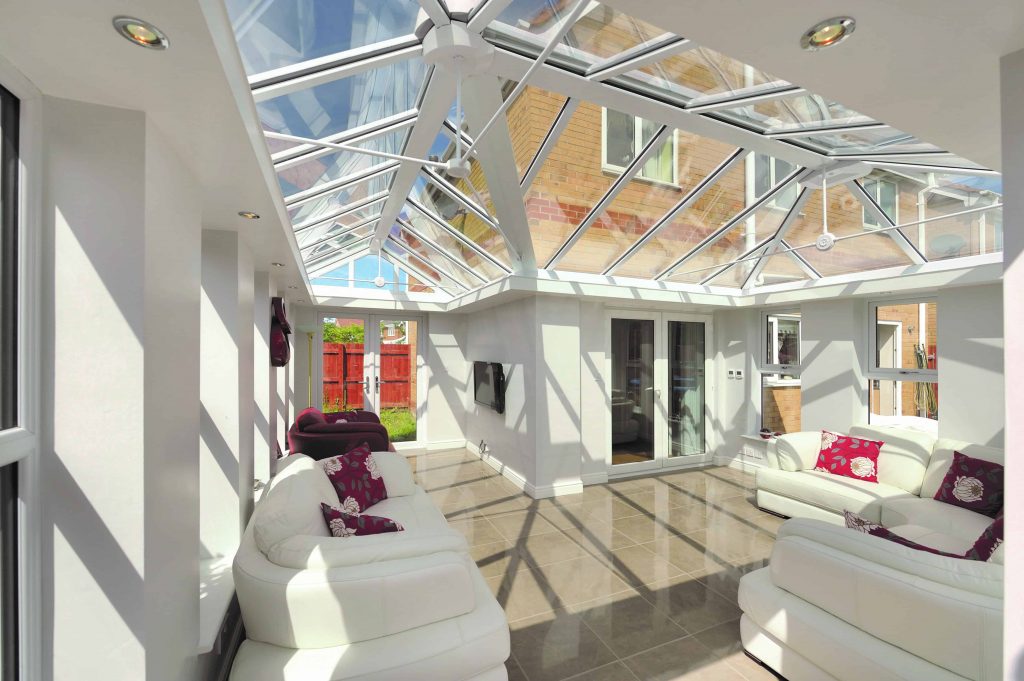
Energy Efficiency and Comfort
One of the most common concerns we hear from homeowners is how comfortable the new space will be throughout the year.
Modern Conservatories
Older conservatories often gained a reputation for being too warm during summer and too cold during winter. However, modern glazing technology has addressed many of these concerns.
Today’s conservatories can incorporate energy-efficient glass, insulated frames, and advanced roofing systems designed to regulate internal temperatures more effectively. According to the Energy Saving Trust, high-performance glazing can play an important role in reducing heat loss and improving comfort.
From our experience, a well-designed modern conservatory can be used throughout the year rather than only during warmer months.
Extensions
Extensions generally offer more consistent temperature control because they are constructed using insulated walls and conventional roofing systems. This can make them feel indistinguishable from the rest of the home.
For homeowners seeking a room that functions exactly like any other internal space, an extension often has an advantage in this area.
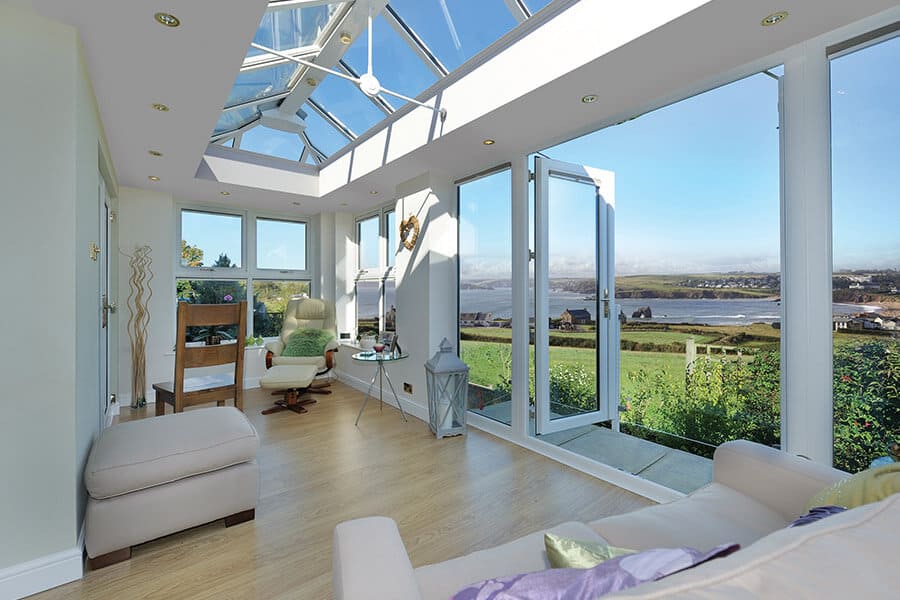
Natural Light and Garden Views
Natural light is one area where conservatories often excel.
Benefits of a Conservatory
Because conservatories feature extensive glazing, they allow large amounts of daylight to enter the room. This can create a bright and welcoming atmosphere while offering uninterrupted views of the garden.
From our experience, homeowners who value outdoor views and a stronger connection with nature are often drawn towards conservatory designs.
Benefits of an Extension
Extensions can still be bright spaces, particularly when incorporating roof lanterns, large windows, or sliding doors. However, they generally contain more solid construction than conservatories.
While this may reduce the amount of glazing, it can increase privacy and create more wall space for furniture, storage, and decoration.
Which Adds More Value to a Property?
Property value is often an important consideration when planning a home improvement project.
A well-designed extension may add more value in some cases because it increases the home’s permanent living space. Estate agents and surveyors often view extensions as an integral part of the property.
However, a high-quality conservatory can still make a positive contribution to market appeal, particularly when it provides usable year-round accommodation. From our experience, buyers increasingly appreciate modern conservatories that offer comfort and functionality rather than simply seasonal use.
The actual impact on value depends on factors such as location, quality of workmanship, size, and how well the addition complements the property.
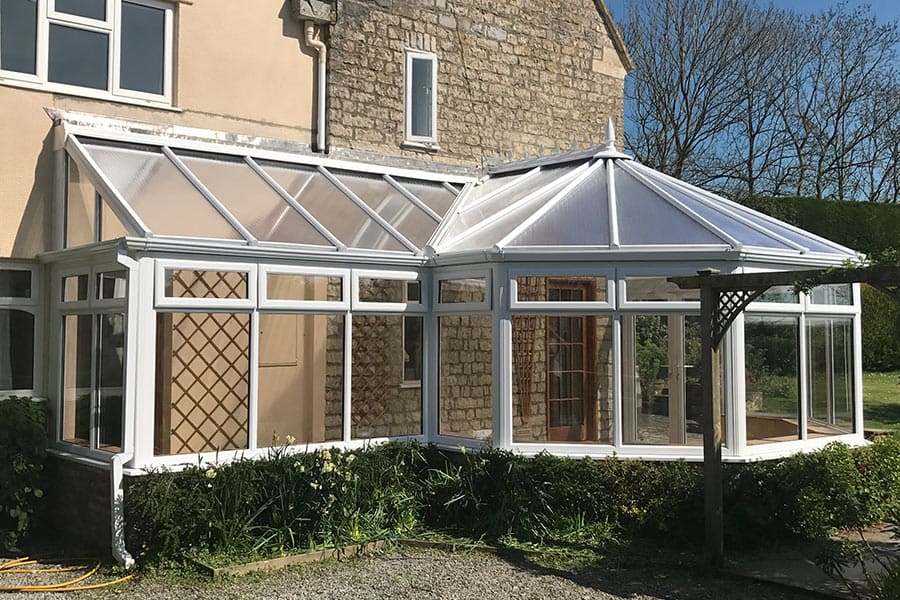
Conservatory vs Extension: Which Is Right for You?
Choosing between a conservatory and an extension ultimately comes down to your priorities.
A Conservatory May Be the Better Choice If:
- You want a bright space with extensive garden views.
- You are working within a more modest budget.
- You would like a faster installation process.
- You want to create a dedicated room for relaxing, dining, or entertaining.
An Extension May Be the Better Choice If:
- You need a room that feels fully integrated with the existing house.
- You require maximum year-round thermal performance.
- You are planning a large kitchen, family room, or significant living area.
- You are willing to invest more for a permanent structural addition.
Final Thoughts on Conservatories and Extensions
Both conservatories and extensions can provide valuable additional living space, but they achieve this in different ways. Conservatories offer impressive natural light, strong garden connections, and often a lower overall cost. Extensions provide a more traditional room structure that feels like a direct continuation of the home.
From our experience, there is no universal answer. The best choice depends on how you plan to use the space, your available budget, and the character of your property. By carefully considering your priorities, you can select a solution that enhances your home and continues to meet your needs for many years.
Frequently Asked Questions
Is a conservatory cheaper than an extension?
In most cases, yes. Conservatories are generally less expensive because they involve less structural work and often require fewer building materials. However, the final cost depends on size, design, and specification.
Does an extension add more value than a conservatory?
An extension may add more value because it is often considered permanent living space. However, a high-quality conservatory can still increase buyer appeal and contribute positively to property value.
Can a conservatory be used all year round?
Yes. Modern conservatories with energy-efficient glazing and insulated roofing systems can provide comfortable year-round use when properly designed and installed.
Do I need planning permission for a conservatory?
Many conservatories fall within permitted development rights and do not require planning permission. However, specific limits and restrictions apply, so it is important to check before proceeding.
Which option takes longer to build?
Extensions typically take longer because they involve more extensive construction work. Conservatories are often completed more quickly, making them an attractive option for homeowners looking for a faster project.
Is a conservatory or extension better for natural light?
Conservatories generally provide more natural light because they feature larger glazed areas, including glass roofs and walls. This creates a bright environment and strong views of the surrounding garden.