
Conservatory Styles & Types Explained: Choosing the Right Conservatory for Your Home
A conservatory can be one of the most rewarding additions to a home, creating extra living space while bringing in more natural light and strengthening the connection between indoors and outdoors. Whether you’re looking for a practical family room, a dining area, a home office, or simply a bright place to relax, selecting the right conservatory design is an important first step.
From our experience, many homeowners begin their search by comparing different conservatory styles without fully understanding how each design affects space, appearance, and functionality. While all conservatories share the same basic purpose, the style you choose can have a significant impact on how well the new space complements your property and meets your long-term needs.
In this guide, we’ll explain the most popular types of conservatory, discuss their advantages, and help you identify which option may be best suited to your home. By understanding the strengths of each design, you’ll be better placed to make a confident decision that adds both enjoyment and value to your property.
Why Choosing the Right Conservatory Style Matters
The conservatory should feel like a natural extension of your home rather than an afterthought. From our experience, the most successful projects are those where the conservatory complements the property’s architecture while providing practical benefits for everyday living.
Different conservatory designs suit different property types. A traditional cottage may benefit from a Victorian or Edwardian design, while a contemporary property may be better suited to a lean-to or modern glass extension style. The right choice helps ensure the new space enhances both the interior and exterior appearance of the home.
In addition, factors such as available space, roof design, furniture layout, and intended use all influence which conservatory style will work best. Taking these considerations into account early can prevent costly changes later in the project.
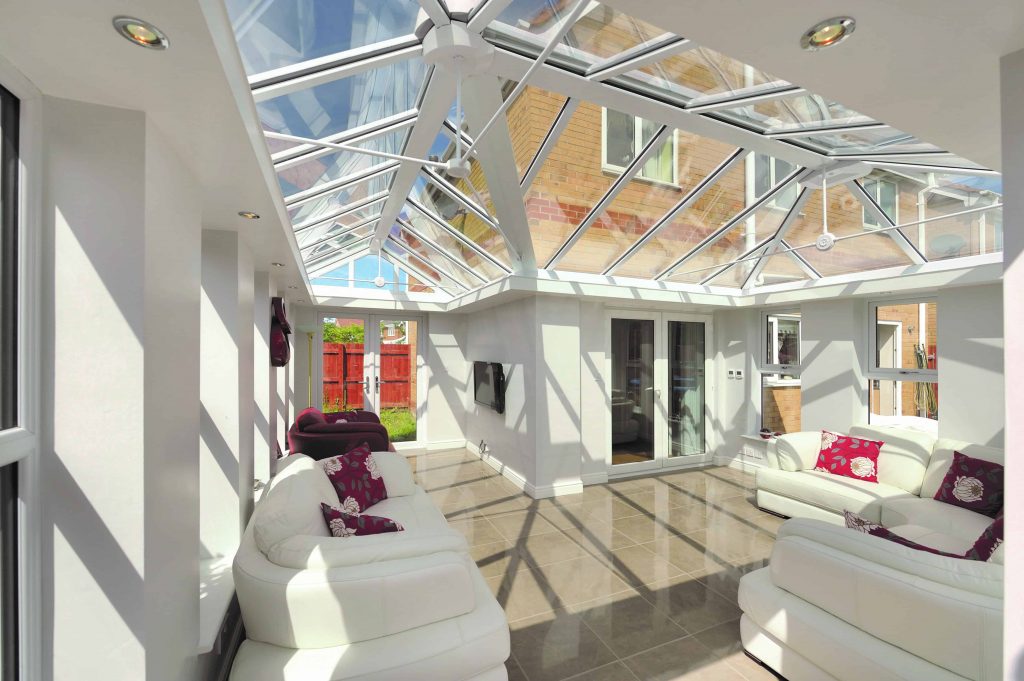
Understanding the Most Popular Types of Conservatory
There are several established conservatory styles available in the UK, each offering distinct features and benefits. Understanding these options makes it easier to find a design that aligns with your home and lifestyle.
Victorian Conservatory
The Victorian conservatory remains one of the most recognisable and widely chosen conservatory styles. Characterised by its elegant bay front and multi-faceted design, it adds a traditional appearance that works particularly well with period and character properties.
From our experience, homeowners often choose Victorian conservatories when they want a space that feels bright and decorative. The angled front creates visual interest and allows natural light to enter from multiple directions throughout the day.
The shape can also create cosy seating areas and distinctive interior layouts, making it suitable for lounges, reading rooms, or dining spaces.
Edwardian Conservatory
Edwardian conservatories offer a more symmetrical design than Victorian styles. Typically featuring a square or rectangular footprint, they maximise usable floor space and provide a practical layout for furniture placement.
We often recommend Edwardian conservatory designs to homeowners who prioritise functionality. The straightforward shape makes it easier to create an extension that feels like a natural continuation of the existing home.
The clean lines and balanced proportions suit a wide variety of property styles, making this one of the most versatile conservatory options available.
Lean-To Conservatory
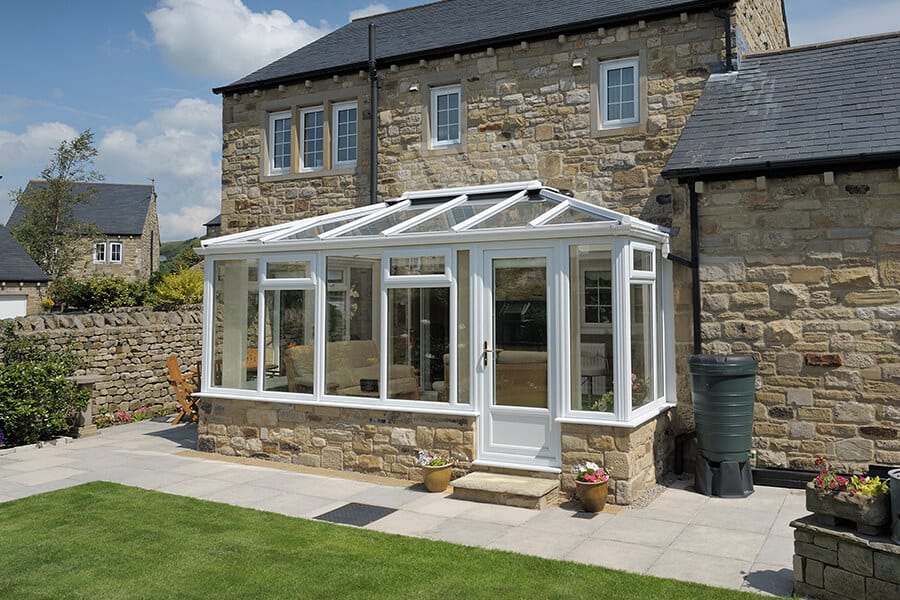
Often referred to as a Mediterranean-style conservatory, the lean-to design features a simple sloping roof that connects directly to the existing property. Its uncomplicated structure makes it particularly popular for modern homes and properties with limited space.
From our experience, lean-to conservatories work exceptionally well on bungalows, smaller homes, and properties where a minimalist appearance is preferred. Their simple geometry allows them to blend seamlessly into contemporary architecture.
Despite their straightforward appearance, lean-to conservatories can provide generous living space and excellent levels of natural light.
Gable-End Conservatory
Gable-end conservatories are known for their impressive high roof and upright front elevation. Unlike Victorian or Edwardian designs, the roof does not slope down towards the front, creating a sense of height and openness.
This style is often chosen by homeowners looking to make a statement. The increased ceiling height allows more light to enter the room and can make the space feel larger than its actual footprint.
From our experience, gable-end conservatories work particularly well on detached properties and larger homes where their scale can be fully appreciated.
P-Shaped Conservatory
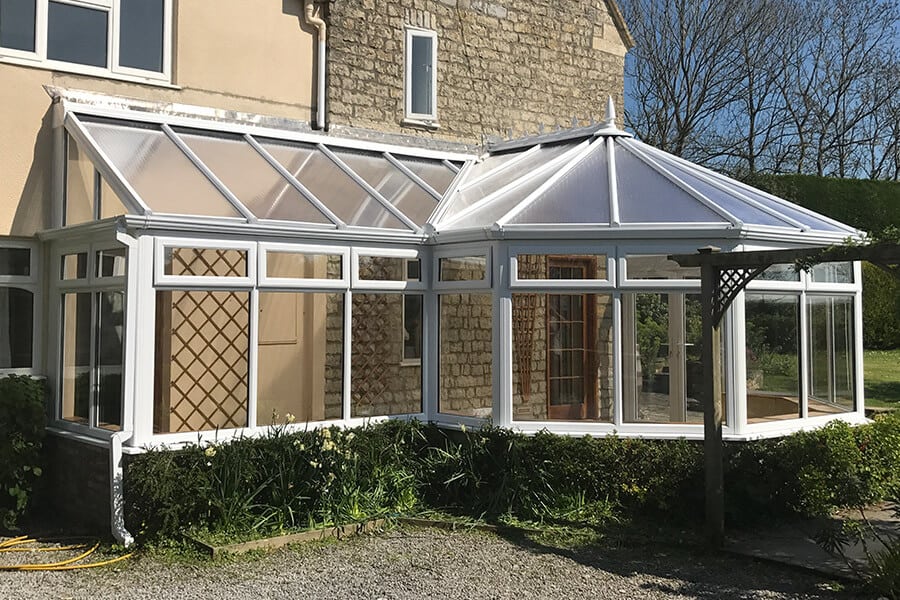
A P-shaped conservatory combines elements of both lean-to and Victorian designs. As the name suggests, the footprint resembles the letter “P”, creating two distinct zones within a single structure.
This layout offers exceptional flexibility. We frequently see homeowners use one section as a dining area while the other serves as a lounge or family room. The design is particularly suitable for larger properties with sufficient outdoor space.
Because of its size and complexity, a P-shaped conservatory often becomes a substantial extension rather than simply an additional room.
T-Shaped Conservatory
T-shaped conservatories are similar to P-shaped designs but feature a central projection that extends outward from the middle of the structure. This creates a striking appearance and allows for multiple functional areas within the space.
From our experience, T-shaped conservatories are best suited to larger detached homes. Their symmetrical design often complements traditional architecture while providing a spacious and bright interior.
The central projection can serve as a focal point for dining, seating, or entertaining areas.
Modern Conservatory Designs
Conservatory design has evolved considerably over recent years. While traditional styles remain popular, many homeowners are now looking for contemporary alternatives that provide a more seamless connection between house and garden.
Glass-to-Glass Conservatories
Modern glass-to-glass designs minimise visible framing and maximise glazing. This creates uninterrupted views and allows large amounts of natural light into the home.
These conservatories often incorporate advanced glazing technology to improve thermal performance, helping maintain comfortable temperatures throughout the year. According to the Energy Saving Trust, energy-efficient glazing can contribute to reduced heat loss and improved household efficiency.
Orangery-Style Conservatories
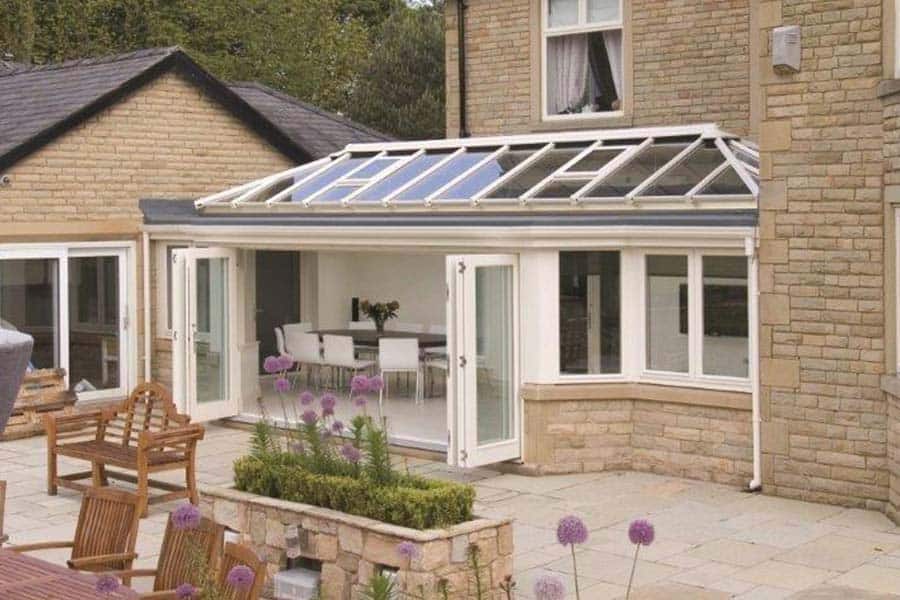
Orangeries combine elements of traditional conservatories and home extensions. They typically feature more brickwork, larger structural pillars, and a central glazed roof lantern.
From our experience, homeowners often choose orangery-style conservatories when they want a room that feels more permanent and integrated with the existing property. The additional solid elements can provide greater privacy and improve temperature control.
Factors to Consider When Choosing a Conservatory Design
Selecting the right conservatory style involves more than choosing the design that looks most appealing. We always encourage homeowners to think carefully about how they intend to use the space and how it will interact with the rest of the property.
The size of the garden, orientation of the property, available budget, and planning considerations should all influence the final decision. South-facing conservatories may require additional solar control measures, while smaller gardens may benefit from more compact designs.
Guidance from the Planning Portal can help homeowners understand any planning or permitted development considerations that may apply before work begins.
Which Conservatory Style Is Best?
There is no single answer to this question because every home and homeowner has different requirements. From our experience, Victorian and Edwardian conservatories remain popular for traditional properties, while lean-to and glass-heavy contemporary designs are often favoured for modern homes.
Those seeking maximum floor space often prefer Edwardian or P-shaped conservatories. Homeowners focused on visual impact may gravitate towards gable-end designs. Meanwhile, those looking for simplicity and practicality frequently choose lean-to conservatories.
The best conservatory design is ultimately the one that complements your property, supports your lifestyle, and provides lasting enjoyment.
Final Thoughts on Conservatory Styles and Types
With so many conservatory styles available, homeowners have more choice than ever before. Whether you prefer a classic Victorian conservatory, a practical Edwardian layout, a modern lean-to structure, or a large multi-functional P-shaped design, there is an option to suit virtually every property.
From our experience, the most successful conservatory projects begin with careful planning and a clear understanding of how the space will be used. By considering both aesthetics and functionality, you can choose a conservatory style that enhances your home and continues to deliver value for many years.
Frequently Asked Questions
What are the main types of conservatory?
The most common types of conservatory include Victorian, Edwardian, lean-to, gable-end, P-shaped, T-shaped, and orangery-style designs. Each offers different benefits in terms of appearance, space, and practicality.
Which conservatory style provides the most usable floor space?
From our experience, Edwardian conservatories generally provide the most usable floor space because of their square or rectangular shape. This makes furniture placement simpler and maximises the available room.
What is the difference between a Victorian and Edwardian conservatory?
A Victorian conservatory typically features a curved or faceted front with multiple angles, while an Edwardian conservatory has a more rectangular footprint. Victorian designs often emphasise decorative appearance, whereas Edwardian styles focus on practicality and space.
Are modern conservatories energy efficient?
Yes, modern conservatories can be highly energy efficient when fitted with advanced glazing and quality roofing systems. Many contemporary designs are built with thermal performance in mind, helping to maintain comfortable indoor temperatures throughout the year.
Which conservatory design suits a small house?
Lean-to conservatories are often ideal for smaller properties. Their simple design works well in compact spaces and can provide valuable additional living space without overwhelming the property.
Do conservatories add value to a home?
A well-designed conservatory can increase a property’s appeal and potentially add value. The amount varies depending on the quality of the installation, the design chosen, and how effectively the new space complements the existing home.