

Roof Restoration and Maintenance: Keeping Your Roofline in Top Condition
Regular roofing maintenance is one of the most important things a homeowner can do to protect their property. Without consistent care, small problems like a cracked tile here or a blocked gutter there can quietly develop into serious structural damage, persistent leaks, and costly emergency repairs. Investing in roof restoration and ongoing maintenance helps extend the lifespan of the roofline, keeps the home weatherproof, and maintains its visual appeal. This guide covers everything Somerset and South West homeowners need to know about keeping their roof in excellent condition year-round.
What Is Roof Restoration?
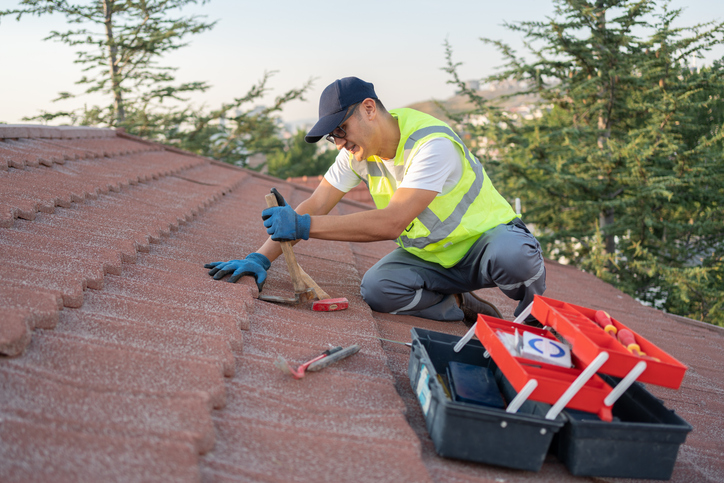
Roof restoration involves repairing, cleaning, and improving an existing roof rather than replacing it entirely. It is a cost-effective way to address gradual wear and bring the roofline back to a safe, functional condition. Common roof restoration tasks include:
- Replacing broken or missing tiles
- Removing moss, algae, and debris
- Repairing or replacing damaged flashing
- Clearing blocked gutters and downpipes
- Fixing leaks and sealing vulnerable areas
- Improving the general condition of the roofline
Why Is Roofing Maintenance Important?
Proactive roofing maintenance helps homeowners catch small problems before they escalate into expensive repairs. The South West’s weather, with frequent rain, coastal winds, and seasonal storms, places significant demands on roofing materials throughout the year. Left unattended, common issues can quickly worsen. Problems that routine roofing and maintenance work can prevent include:
- Leaks caused by cracked or displaced tiles
- Mould and damp resulting from poor drainage
- Rot in roof timbers caused by sustained moisture
- Structural weakening from prolonged water ingress
- Damage to interior walls and ceilings from undetected leaks
Consistent maintenance keeps all of these risks in check, protecting both the fabric of the building and the comfort of those living in it.
Common Signs Your Roof Needs Attention
Many roofing problems develop gradually and are easy to overlook until serious damage has already occurred. Homeowners should watch for the following warning signs:
- Missing, cracked, or slipped tiles
- Sagging or uneven areas on the roofline
- Water stains or damp patches on interior ceilings
- Mould or moss growing along the roofline or eaves
- Rusty, cracked, or overflowing gutters
- Damaged or lifting flashing around chimneys, vents, or skylights
- Rising energy bills, which may suggest poor insulation linked to roof damage
Roof Maintenance Services: What Do They Include?
Professional roof maintenance services cover a broad range of tasks designed to keep the entire roofline in good working order. Rather than waiting for an obvious problem to appear, these services take a comprehensive approach to roof health. A typical roof maintenance service may include:
- Full roof inspection and condition report
- Gutter cleaning and downpipe clearance
- Moss and algae removal
- Tile repair or replacement
- Flashing inspection and repair
- Leak detection and sealing
- Chimney and stack checks
- General roofline repairs, including fascia and soffit assessment
How Often Should You Inspect Your Roof?
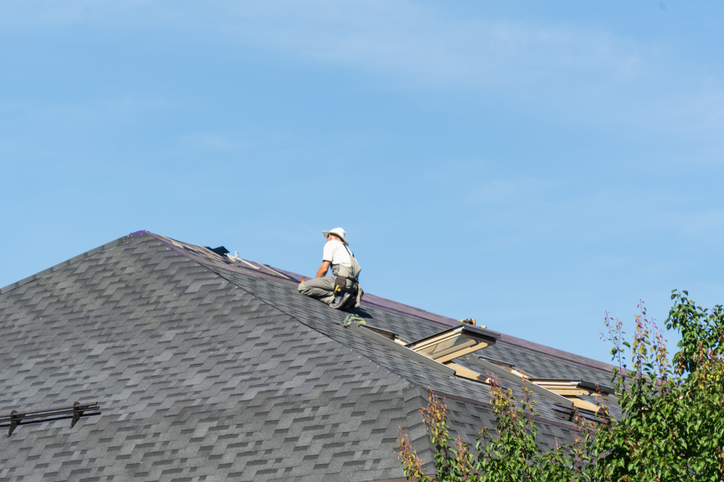
Homeowners should aim to have their roof inspected at least twice a year. Spring and autumn are the ideal times, spring to assess any damage caused by winter weather, and autumn to prepare the roof for the colder, wetter months ahead. Given the South West’s exposure to Atlantic weather systems, additional checks following storms, heavy rainfall, or high winds are also strongly recommended. Catching storm damage early can prevent a minor repair from becoming a full restoration project.
Cleaning Gutters and Drainage Systems
Clear gutters play a vital role in protecting the entire property. Their purpose is to direct rainwater away from the roofline, walls, and foundations in a controlled manner. When gutters become blocked with leaves, debris, or moss, rainwater has nowhere to go and begins to overflow. This can lead to:
- Damp penetration into exterior walls
- Damage to fascia boards and soffits
- Water pooling near foundations
- Accelerated deterioration of roofing materials at the eaves
Removing Moss, Algae and Roof Debris
Moss, algae, and accumulated debris are more than just cosmetic concerns. Moss, in particular, holds moisture against roofing materials, which accelerates deterioration over time. In the damp climate of Somerset and the South West, moss growth is especially common. The risks associated with untreated moss and debris include:
- Moisture retention leading to rot in timber structures
- Cracked or lifting tiles caused by root-like moss structures
- Blockages in gutters and valleys where debris collects
- Reduced roof lifespan through ongoing material degradation
Replacing Broken or Missing Roof Tiles
Broken, slipped, or missing tiles create gaps in the roofline through which water, cold air, and even pests can enter. A single missing tile can allow rainwater to penetrate the roof structure, causing damage to insulation, roof timbers, and interior ceilings. Replacing damaged tiles promptly helps to:
- Prevent water ingress and associated damp problems
- Maintain the thermal efficiency of the roof
- Stop pest entry through exposed gaps
- Avoid the need for more extensive and costly repairs later
Checking Roof Flashing and Chimney Areas
Flashing refers to the thin strips of metal, typically lead or aluminium, used to seal the joins between the roof surface and features such as chimneys, skylights, vents, and adjoining walls. When flashing is damaged, lifted, or corroded, it creates a direct route for water to enter the property. Chimney areas are particularly vulnerable, as they involve multiple sealing points that can deteriorate with age. Flashing checks should be part of every routine roofing maintenance inspection, with repairs carried out as soon as any damage is identified.
DIY Roof Maintenance vs Professional Roofing Maintenance
There are some basic checks homeowners can carry out themselves without accessing the roof directly. These include:
- Visual inspections from the ground using binoculars
- Monitoring ceilings and loft spaces for signs of damp or discolouration
- Checking gutters at ground level for visible blockages or overflow
- Clearing leaves and debris from accessible sections of guttering safely
However, tasks involving direct roof access, tile replacement, leak investigation, flashing repair, or structural assessment should always be handled by qualified professionals. Working at height without appropriate training and equipment is dangerous, and improper repairs can cause further damage. Reputable roof maintenance services in Somerset and the South West will carry the necessary insurance and experience to work safely and effectively.
How Roof Restoration Can Extend Roof Lifespan
A well-maintained roof lasts significantly longer than one that receives only reactive attention. Regular roof restoration work, including cleaning, tile repair, moss removal, and flashing maintenance, prevents small defects from compounding into structural failures. Key benefits of consistent maintenance include:
- Slowing the natural ageing of roofing materials
- Protecting timber structures from moisture-related rot
- Maintaining effective weatherproofing throughout the roof’s working life
- Reducing the frequency and cost of emergency call-outs

When Is Roof Restoration Better Than Roof Replacement?
Roof restoration is generally appropriate when the underlying structure is sound and the issues present are repairable. This includes situations such as:
- Isolated tile damage or slippage
- Moss or algae growth affecting the surface
- Minor leaks around flashing or joints
- Worn or deteriorating roof coatings
Full roof replacement becomes necessary when the roof is structurally compromised, when the extent of tile or membrane damage is too widespread to repair economically, or when the roofing materials have reached the end of their usable life. A professional inspection is the most reliable way to determine which option is appropriate for a given property.
Choosing the Right Roof Maintenance Services
Selecting a reputable roofing contractor like us at Majestic Designs Ltd is essential. Homeowners in Somerset and the South West should look for:
- Proven experience with local property types and roofing materials
- Clear, itemised written quotes before any work begins
- Positive customer reviews and verifiable references
- Appropriate public liability and employer’s insurance
- Transparency about the work required and the materials used
Keeping Your Roofline in Good Shape for Years to Come
Regular roofing maintenance and timely roof restoration are not optional extras; they are fundamental to protecting a home and avoiding expensive damage down the line. For homeowners across Somerset and the South West, where rainfall, wind, and damp conditions place continuous pressure on roofing materials, staying on top of maintenance is particularly important. Checking gutters, tiles, flashing, and roofline components on a consistent schedule makes it possible to identify and resolve problems early, extend the roof’s working life, and keep the property safe, dry, and energy-efficient for years to come. When in doubt, speak to our qualified local roofing professional to arrange an inspection and get expert advice tailored to your property.
Frequently Asked Questions
What Is Roof Restoration?
Roof restoration involves repairing, cleaning, and improving an existing roof to bring it back to a safe, functional condition. It typically includes replacing damaged tiles, removing moss, repairing flashing, clearing gutters, and fixing leaks, all without the need for a full roof replacement.
How Often Should Roofing Maintenance Be Carried Out?
Roofing maintenance should be carried out at least twice a year, ideally in spring and autumn. Additional inspections are recommended after storms, heavy rainfall, or periods of high winds, particularly in weather-exposed regions such as Somerset and the South West.
What Do Roof Maintenance Services Include?
Professional roof maintenance services typically include roof inspections, gutter cleaning, moss and algae removal, tile repair or replacement, flashing checks, leak detection, chimney assessments, and general roofline repairs. The exact scope will depend on the roof’s condition and the contractor’s assessment.
Can I Do Roof Maintenance Myself?
Homeowners can safely carry out basic visual checks from the ground and clear accessible guttering. However, any task that involves climbing onto the roof, replacing tiles, investigating leaks, or repairing flashing should be left to qualified roofing professionals to avoid injury and prevent further damage.
Why Are Blocked Gutters Bad for a Roof?
Blocked gutters prevent rainwater from draining away from the property correctly. Overflowing water can cause damp penetration into walls, damage to fascia boards and soffits, water pooling near foundations, and accelerated deterioration of roofing materials at the eaves, all of which lead to costly repairs if left unaddressed.
When Should I Consider Roof Restoration?
Roof restoration is worth considering when the roof shows signs of moss growth, minor leaks, isolated tile damage, or worn flashing, but remains structurally sound overall. A professional inspection will confirm whether restoration is the right option or whether more extensive repairs or replacement are needed.