

Can Double Glazing Reduce Condensation and Mould? The Ventilation Reality Check
Condensation on windows is easy to dismiss as a minor winter nuisance, but persistent moisture can become a much bigger problem. When water repeatedly collects on glazing, frames and nearby walls, damp conditions can encourage mould growth and damage finishes around the window. Understandably, homeowners often ask us whether replacing older windows with modern double glazing will solve the problem.
From our experience, the answer requires a little more explanation than a simple yes or no. Good-quality double glazing windows can significantly reduce condensation on the inside surface of the glass because the internal pane stays warmer than it would with single glazing or poorly performing older units. However, condensation is closely connected to the amount of moisture produced inside a property and, critically, how effectively that moisture is removed through ventilation.
This distinction matters when replacing windows in an older home. Modern windows can improve thermal performance and reduce unwanted draughts, yet a more airtight home needs suitable ventilation to maintain healthy indoor air. The ventilation requirements set out in Approved Document F on GOV.UK reflect this relationship. Below, we explain what double glazing can realistically do about condensation and mould, why ventilation matters, and what different types of condensation may be telling us about a home.
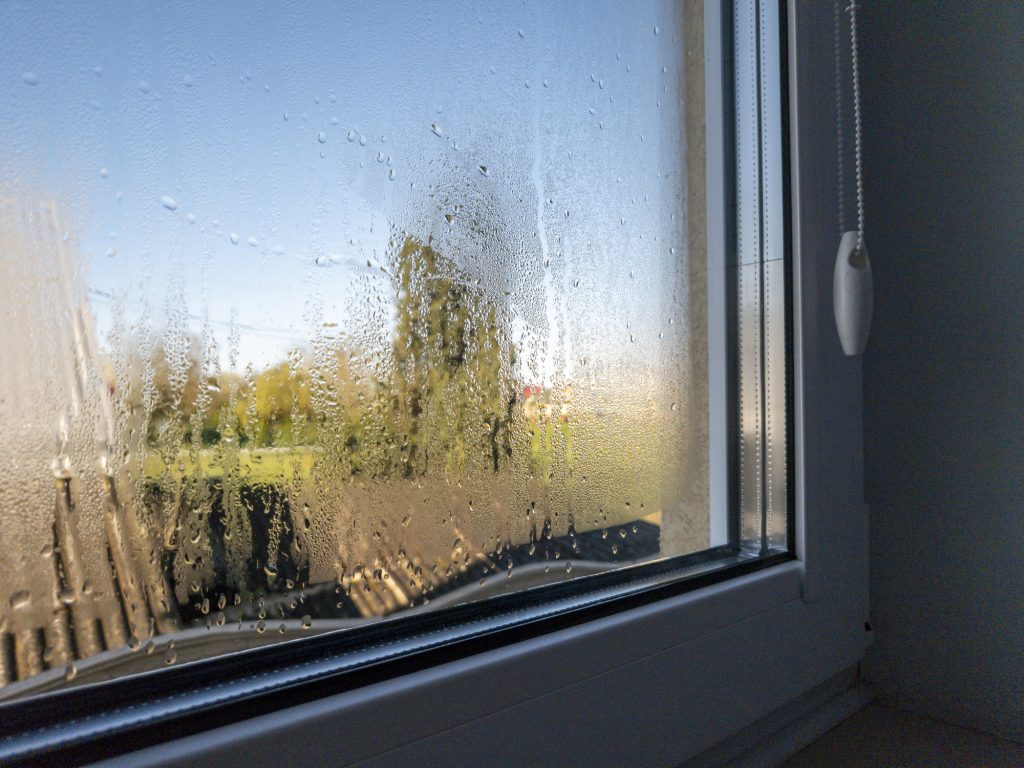
Why Does Condensation Form on Windows?
Condensation occurs when moisture in warm air meets a surface cold enough for the water vapour to turn into liquid droplets. Windows are common places for this to happen because glazing is frequently one of the colder surfaces within a room, particularly during autumn and winter.
Everyday activities continually add water vapour to indoor air. Cooking, showering, drying clothes indoors and even breathing contribute moisture. A busy household can therefore produce a considerable amount of water vapour over the course of a normal day. Problems tend to become more apparent when that moisture has nowhere to escape.
The temperature of the room matters as well. Warm air can contain more moisture than cooler air, while colder surfaces increase the likelihood of the air immediately beside them reaching its dew point. This explains why condensation can appear overnight in bedrooms or first thing in the morning even when the windows themselves are functioning correctly.
Repeated condensation deserves attention because moisture can collect around seals, reveals, walls and furnishings. If these areas remain damp for prolonged periods, conditions can become suitable for mould. Treating visible mould without addressing the moisture source and ventilation can therefore result in the same problem returning.
Does Double Glazing Reduce Condensation?
Yes, modern double glazing can reduce internal surface condensation, particularly when it replaces single glazing or old, thermally inefficient windows. The important detail is understanding why.
How Double Glazing Keeps the Inner Pane Warmer
Double-glazed units contain two panes separated by a sealed cavity. This construction reduces heat transfer through the window, helping the room-facing pane remain warmer. Because that surface is warmer, moisture in the indoor air is less likely to condense on it under the same room conditions.
Our range of uPVC windows is designed around modern expectations for thermal performance, security and low maintenance. When replacing older windows, improved glazing and frames can make rooms feel noticeably more comfortable and reduce the cold surfaces associated with internal condensation.
There is an important limitation, though. A new window cannot remove the moisture generated elsewhere in the property. If indoor humidity remains high enough, condensation may simply occur on another cold surface, such as an external wall, behind furniture or around a thermal bridge.
That is why we prefer to look at condensation as a whole-house issue rather than judging a window in isolation. Better glazing addresses one part of the equation; moisture control, heating and ventilation address the others.
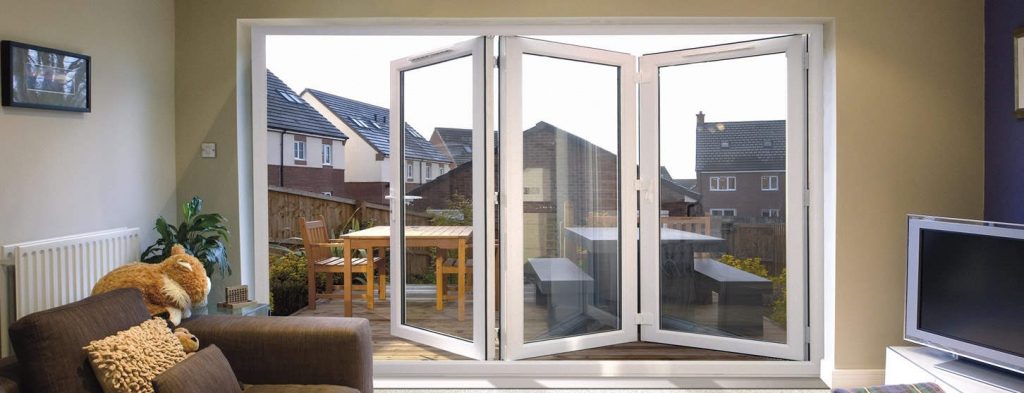
Can New Double Glazing Ever Seem to Make Condensation Worse?
Occasionally, homeowners notice condensation after having new windows fitted and assume the glazing has caused the problem. What may actually have changed is the building’s airtightness.
Older windows can have gaps around frames, seals and opening sections that allow uncontrolled air leakage. Although those draughts are uncomfortable and waste heat, they can inadvertently allow some humid indoor air to escape. Modern replacement windows are designed to fit and seal much more effectively.
Removing uncontrolled draughts is beneficial for energy performance, but suitable ventilation still needs to be available. This is where background ventilators, extract fans and other ventilation measures become relevant. Replacing windows without considering how the home is ventilated can therefore expose an existing moisture problem that was previously being partly masked by air leakage.
The Ventilation Reality Check: Why Part F Matters
Approved Document F provides guidance on meeting ventilation requirements under the Building Regulations in England. Its purpose is broader than condensation alone: adequate ventilation helps remove pollutants and excess moisture while maintaining suitable indoor air quality.
For replacement window projects, this matters because changing the airtightness of a dwelling can affect existing ventilation. The current guidance includes provisions relating to background ventilation when windows are replaced. Rather than assuming that every replacement window needs exactly the same arrangement, the correct approach is to assess the existing ventilation and ensure the completed work does not leave the property with inadequate provision.
What Are Trickle Vents and Why Are They Used?
Trickle vents are small background ventilators generally fitted within or around a window. They allow a controlled amount of outdoor air into a room without requiring the window to remain visibly open. Their purpose is to support continuous background ventilation.
They should not be confused with extract ventilation. In rooms where large quantities of moisture are generated, such as kitchens and bathrooms, mechanical extraction has a different job: removing moisture close to its source. A good ventilation strategy often depends on these different elements working together.
Some homeowners are tempted to permanently close trickle vents because they are concerned about cold air. In practice, preventing adequate ventilation can allow humidity to rise, increasing condensation risk elsewhere. We recommend using ventilation as intended and addressing persistent condensation by looking at the property as a complete system.
For anyone replacing windows in England, the Government’s Approved Document F guidance is the authoritative starting point. Requirements can vary according to the work and property, so installation should be assessed against the rules applicable to that particular project.
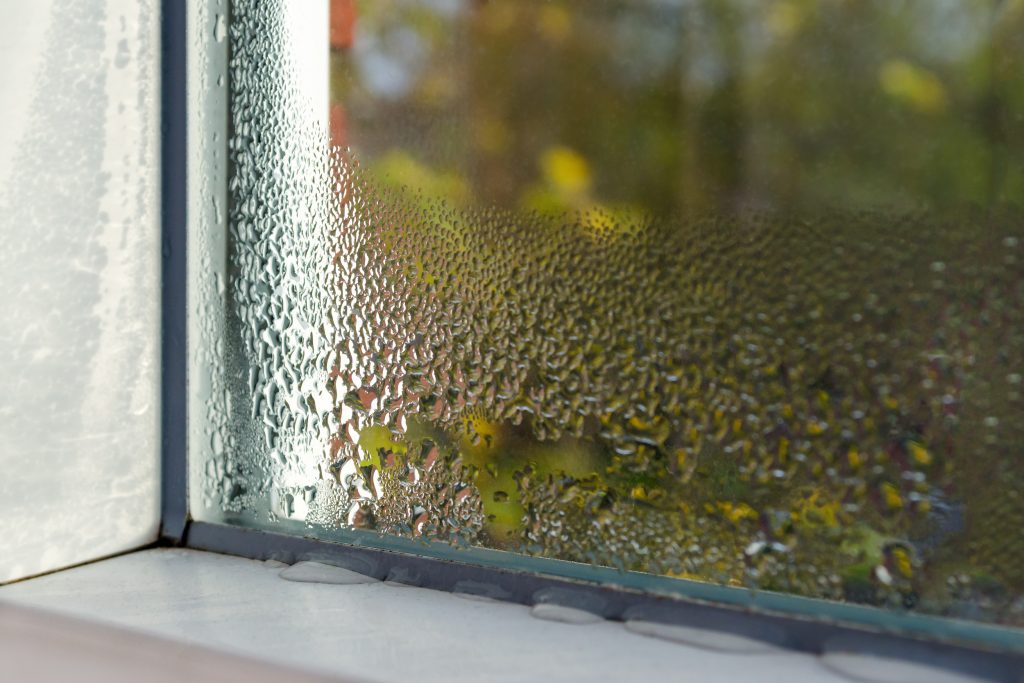
Condensation Inside, Outside or Between the Panes?
Where condensation appears tells us a great deal. Homeowners frequently describe all moisture on a window as the same problem, but condensation on the room-facing surface, condensation outside and moisture trapped between panes have very different causes.
Condensation on the Inside of the Window
Moisture on the room-facing glass generally indicates that humid indoor air has reached a cold surface. Better-performing double glazing can reduce the likelihood of this happening because its internal surface should remain warmer.
Persistent internal condensation should still prompt us to consider ventilation and humidity. Bedrooms, kitchens and bathrooms are common problem areas because they can contain high levels of moisture. Keeping the property reasonably and consistently heated can help as well, as very cold rooms create colder surfaces.
If condensation is appearing on walls, behind wardrobes or around window reveals as well as on the glass, the issue deserves closer investigation. Simply wiping the window every morning deals with the visible water but does not address why so much moisture is collecting.
Condensation on the Outside of Double Glazing
External condensation can initially look worrying, but it can actually be associated with thermally efficient glazing. If the outer pane remains cold because relatively little heat is escaping from the house through the glass, moisture in outdoor air can occasionally condense on its surface.
This is particularly likely under certain cool, still and humid weather conditions, often early in the morning. It normally clears as temperatures change during the day and does not indicate that moisture has entered the sealed glazing unit.
In other words, replacing an inefficient window can sometimes mean seeing more condensation outside while seeing less on the room-facing surface. The location of the moisture is therefore important before deciding whether there is a fault.
Condensation Between Double-Glazed Panes
Moisture between the two panes is different again. A correctly functioning sealed double-glazed unit should not have condensation forming inside its cavity.
If misting or droplets are clearly trapped between the panes, this can indicate that the glazing unit’s seal has failed and moisture has entered the cavity. Cleaning the internal and external glass will obviously make no difference because the moisture is enclosed within the unit.
In these circumstances, we would recommend having the glazing inspected. Depending on the condition and age of the window, replacing the sealed unit may be possible without replacing the entire frame.
Can Double Glazing Prevent Mould?
Double glazing can contribute to reducing some of the conditions associated with mould, but we would never present new windows as a guaranteed mould treatment. Mould requires moisture, so the real objective is to understand where that moisture comes from and why surfaces remain damp.
Warmer internal glazing surfaces can reduce the amount of water collecting directly on windows. Improved thermal performance may also make it easier to maintain comfortable indoor temperatures. Those are useful benefits, particularly when replacing very old glazing.
However, excessive indoor humidity can still result in mould on colder parts of a building. Poorly ventilated corners, areas behind large pieces of furniture and external walls can remain vulnerable even when the windows themselves are dry. Leaks, penetrating damp and other building defects can cause moisture problems too, and these require different remedies.
When we’re discussing replacement windows with homeowners, we therefore consider ventilation alongside thermal performance. Modern uPVC windows can form part of a warmer, more efficient home, but good indoor air quality still depends on providing a route for excess moisture to leave.
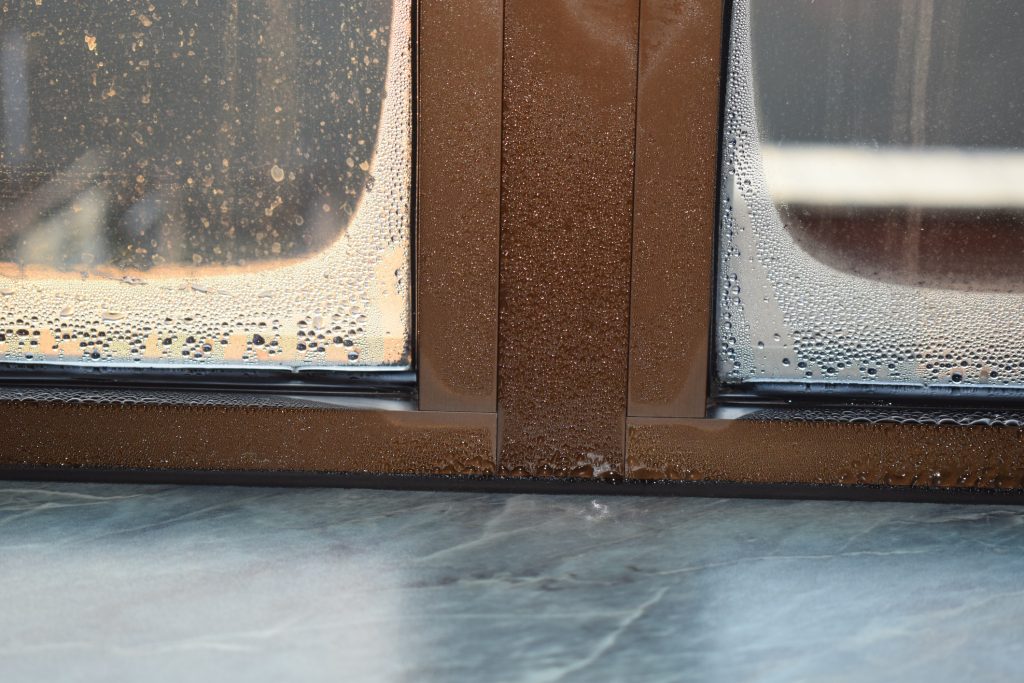
How Can We Reduce Condensation After Installing New Windows?
The most effective approach combines good glazing with sensible moisture management. In kitchens and bathrooms, extractor fans should be used when moisture is being generated and allowed to run for an appropriate period afterwards. Background ventilation should remain available rather than being routinely blocked.
Drying washing indoors can introduce substantial moisture, so using appropriate ventilation while clothes are drying can help. Keeping internal doors closed while cooking or showering can also limit the movement of moisture into bedrooms and other cooler areas. Where an extractor fan is provided, keeping it clean and checking that it is working properly is equally worthwhile.
Heating patterns matter as well. Allowing parts of a property to become extremely cold can create surfaces on which moisture readily condenses. A reasonably consistent indoor temperature, combined with ventilation, is generally more effective than trying to seal a home completely against outdoor air.
If condensation remains severe despite these measures, further investigation may be appropriate. Persistent damp patches, mould that repeatedly returns, or water appearing away from typical condensation areas can point towards another source of moisture. Professional assessment can help distinguish between ventilation-related condensation and problems such as plumbing leaks, penetrating damp or building defects.
Choosing Replacement Windows with Condensation in Mind
When replacing windows, thermal performance should be considered alongside ventilation rather than separately. The objective is to reduce unnecessary heat loss while ensuring the home still has an appropriate supply and movement of fresh air. Looking at the different window options available can help us compare glazing, frame materials, styles and performance characteristics before deciding what is best suited to the property.
Our work with homeowners has shown us why this balance matters. A window specification should consider glazing performance, frame construction, suitable ventilation and professional installation as connected parts of the same project. Our home improvement range reflects this wider approach to improving comfort and performance rather than focusing on appearance alone.
It is equally important to distinguish between condensation caused by cold glazing and moisture caused by the way a property is occupied or ventilated. A quality installer should be willing to discuss these factors rather than promising that replacing the windows will automatically eliminate every damp or mould issue.
For homes with persistent condensation, understanding the cause before investing in remedial work is particularly valuable. That gives us a much better basis for deciding whether replacement glazing, improved ventilation, repairs or a combination of measures is appropriate.
Double Glazing, Condensation and Ventilation: The Bottom Line
Modern double glazing can reduce condensation on the internal face of a window because better-insulated glazing keeps that surface warmer. It can therefore make a genuine difference in homes with single glazing or inefficient older windows. It may also contribute to improved comfort and reduced heat loss.
What double glazing cannot do is remove excess moisture from indoor air. As homes become better sealed, planned ventilation becomes increasingly important, which is why Part F needs to be considered when replacement windows are installed. Trickle vents, extract ventilation and sensible moisture management each have a role to play.
From our experience, the best results come from treating windows, heating and ventilation as connected parts of the home. If condensation is persistent, identifying whether it is on the inside, outside or between the panes is a useful first step. From there, we can address the actual cause rather than assuming every condensation problem requires the same solution.

Frequently Asked Questions
Will new double glazing stop condensation completely?
New double glazing can reduce condensation on the room-facing surface because the inner pane is generally warmer than single glazing or older inefficient glass. It cannot guarantee that condensation will disappear completely, however. If indoor humidity is high or ventilation is inadequate, moisture can still settle on windows or other cold surfaces. We therefore recommend considering glazing and ventilation together.
Why do I have condensation after fitting new windows?
New windows are generally more airtight than old, draughty units, which means uncontrolled air leakage is reduced. If the property does not have sufficient planned ventilation, moisture generated indoors may remain in the home for longer. This does not necessarily mean the new windows are defective. Ventilation provision, extract fans, heating patterns and sources of moisture should all be considered.
Do trickle vents help prevent condensation?
Trickle vents provide background ventilation and can help excess moisture leave the home as part of an appropriate ventilation system. They are particularly relevant when considering the ventilation requirements associated with replacement windows. They do not replace effective extraction in high-moisture areas such as kitchens and bathrooms. Approved Document F provides the relevant Government guidance for ventilation in England.
Is condensation on the outside of double glazing a problem?
Usually, no. External condensation can occur when the outside pane becomes cold enough for moisture in outdoor air to settle on it. Efficient glazing limits the amount of heat passing from the room to the outer pane, so this effect can sometimes be seen on high-performing windows. It normally clears naturally as external conditions change.
What does condensation between double-glazed panes mean?
Condensation trapped between panes can indicate failure of the sealed glazing unit. Moisture should not normally be able to enter the cavity between the panes. If misting remains regardless of whether you clean the indoor and outdoor glass surfaces, we recommend arranging an inspection. In some cases, the sealed glass unit can be replaced without changing the complete window frame.
Can mould around windows be caused by poor ventilation?
Yes, inadequate ventilation can contribute to high indoor humidity and persistent surface condensation, which can create conditions in which mould grows. However, mould around a window is not automatically a ventilation problem. Leaks, damaged seals, cold bridging and other sources of damp may also need to be investigated. Identifying the moisture source is important before deciding on the appropriate remedy.