

uPVC vs Aluminium Windows: Which Is Better for UK Homes in 2026?
Choosing new windows for our homes is rarely a quick decision. We often find ourselves weighing up appearance, long-term value, maintenance requirements, and how well each option will perform in the unpredictable British weather. In 2026, homeowners are more informed than ever, and expectations around energy efficiency, durability, and design have only increased.
From our experience working closely with homeowners, the conversation often centres on two main materials: uPVC and aluminium. Each has its strengths, and the right choice usually depends on the specific needs of the property, whether that’s a period renovation or a contemporary new build. We regularly guide customers through both options, helping them understand how each performs in real-life conditions rather than just on paper.
In this guide, we’ll break down the differences clearly and honestly, drawing on practical experience and industry knowledge. We’ll also highlight where each option shines, so you can feel confident in making the right investment for your home.
Understanding uPVC Windows
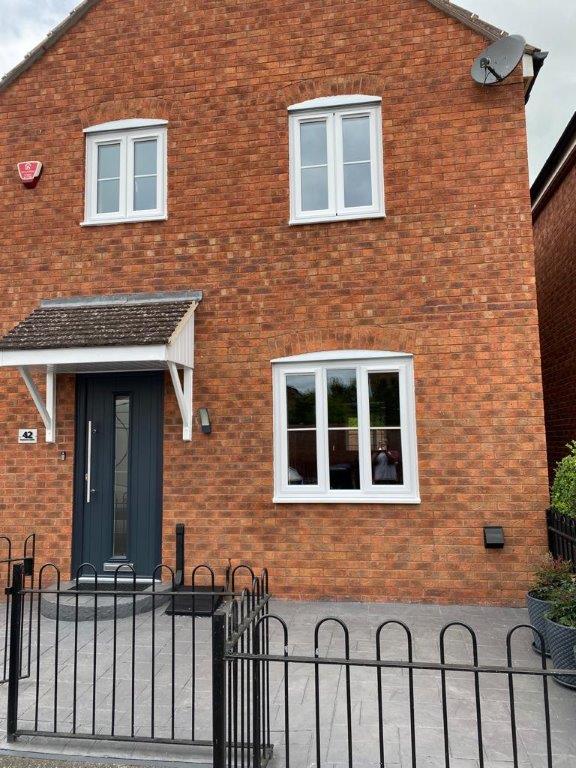
When we talk about modern window replacements, uPVC remains one of the most widely chosen materials across the UK. Known for its affordability and reliable performance, uPVC has developed significantly over the years. Today’s designs are far removed from earlier versions, offering improved insulation, cleaner finishes, and more flexibility in style.
We often recommend exploring our range of uPVC windows if cost-effectiveness and low maintenance are key priorities. These windows are designed to withstand British weather conditions without requiring regular upkeep such as painting or sealing. For many homeowners, this ease of care is a major deciding factor, especially for busy households.
Another important consideration is thermal efficiency. uPVC naturally acts as an insulator, helping to retain heat inside the home. According to the Energy Saving Trust, upgrading to energy-efficient glazing can significantly reduce heat loss and lower energy bills, which is particularly relevant given rising energy costs across the UK.
Benefits of uPVC Windows
From our experience installing uPVC across a variety of property types, several advantages consistently stand out. First, the insulation performance is strong, making these windows a sensible choice for improving energy ratings. This is especially important for older homes that may struggle with heat retention.
Second, uPVC windows are highly resistant to rot, corrosion, and weather damage. Unlike timber, they won’t warp or require repainting over time. This makes them particularly appealing for homeowners who want a long-term solution without ongoing maintenance demands.
Finally, affordability plays a key role. uPVC tends to be more budget-friendly compared to aluminium, making it accessible for larger projects such as full property window replacements.
Limitations of uPVC
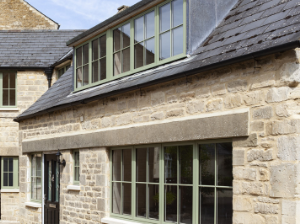
While uPVC performs well in many areas, it does have its limitations. One of the most common concerns we hear is around aesthetics. Although finishes have improved, uPVC can sometimes appear bulkier than aluminium, which may not suit more modern architectural styles.
Another factor is structural strength. uPVC is not as strong as aluminium, which means frames often need to be thicker to provide the same level of support. This can slightly reduce the amount of natural light entering the property.
Understanding Aluminium Windows
Aluminium windows have grown in popularity across the UK, particularly in contemporary homes and renovation projects where design plays a major role. Known for their slim frames and sleek appearance, aluminium offers a more refined finish that many homeowners find appealing.
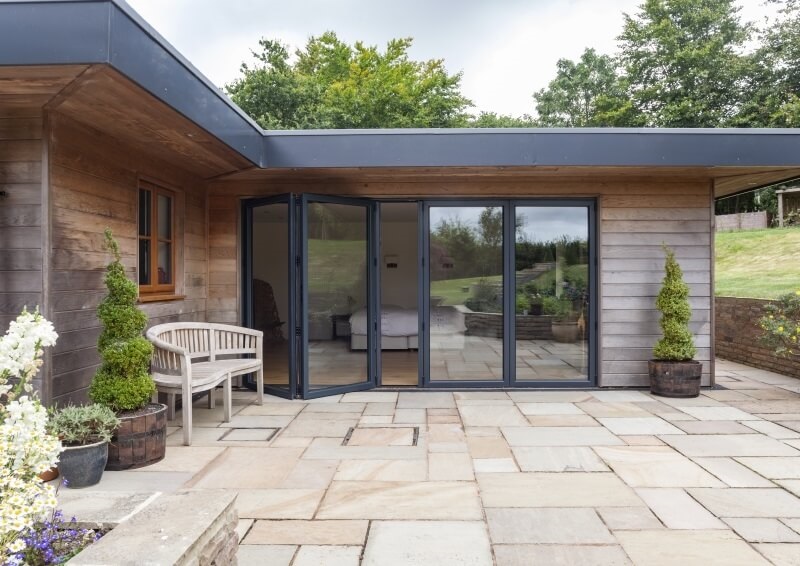
We often direct customers to our aluminium windows when they are looking for a modern look combined with durability. Aluminium frames allow for larger panes of glass, which can make a noticeable difference in how light and space are experienced inside the home.
In addition to aesthetics, aluminium is incredibly strong. This strength allows for slimmer profiles without compromising structural integrity, making it ideal for large openings such as bi-fold or floor-to-ceiling windows.
Benefits of Aluminium Windows
One of the biggest advantages we see with aluminium is its strength-to-weight ratio. This allows for elegant, narrow frames that maximise glazing and create a more open feel. For homeowners aiming for a contemporary finish, this is often a deciding factor.
Durability is another strong point. Aluminium is resistant to rust and weather damage, and with proper powder coating, it maintains its appearance for many years. From our experience, these windows perform exceptionally well in exposed areas where weather conditions can be more demanding.
Aluminium also offers excellent security. The inherent strength of the material makes it harder to force open, which provides added peace of mind for homeowners.
Limitations of Aluminium
Despite its strengths, aluminium does come at a higher upfront cost compared to uPVC. This can be a barrier for some homeowners, particularly when working within a fixed budget.
Thermal efficiency has historically been a concern, although modern aluminium windows now include thermal breaks to improve insulation. While performance has improved significantly, uPVC still tends to have a slight edge in natural insulation properties.
Comparing uPVC and Aluminium for UK Homes
When we help homeowners choose between these two materials, the decision often comes down to priorities rather than one being universally better than the other. Both options meet current building regulations and can achieve strong energy ratings when properly installed.
For traditional homes or projects where cost and insulation are key concerns, uPVC often proves to be the more practical choice. It delivers reliable performance without stretching the budget and requires very little maintenance over time.
On the other hand, aluminium is often preferred for modern properties or where design is a central focus. Its slim frames and durability make it ideal for creating large glazed areas and achieving a more contemporary appearance.
According to guidance from the Glass and Glazing Federation, both materials can meet high standards of performance when manufactured and installed correctly, reinforcing the importance of choosing a trusted installer.
Which Should You Choose in 2026?
In 2026, there isn’t a single answer that suits every home. From our experience, the best choice depends on how you balance style, performance, and budget. If energy efficiency and value are at the top of your list, uPVC remains a strong and dependable option.
If you’re aiming for a modern finish with larger glass areas and a sleek profile, aluminium is often worth the investment. It offers a distinct visual appeal that can enhance both the interior and exterior of a property.
Ultimately, the right decision comes from understanding how each material aligns with your home’s needs. By considering factors such as property style, exposure to weather, and long-term expectations, we can help ensure the windows you choose continue to perform well for years to come.