

Conservatory Planning Permission in the UK: What You Need to Know
Adding a conservatory is one of the most popular ways we can expand our living space without the complexity of a full extension. It offers a practical way to bring in more natural light, create a relaxing area, or add value to our homes. From our experience, many homeowners begin their conservatory journey full of ideas, only to feel uncertain when planning permission enters the conversation.
The good news is that in many cases, planning permission isn’t required. However, there are specific rules and conditions that must be met, and overlooking them can lead to delays or even the need to undo completed work. We’ve guided many customers through this process, helping them avoid common pitfalls and ensuring everything is compliant from the outset.
In this guide, we’ll explain how planning permission works for conservatories in the UK, when it’s required, and what to consider before starting your project. Our aim is to give you clarity, based on real experience and up-to-date guidance.
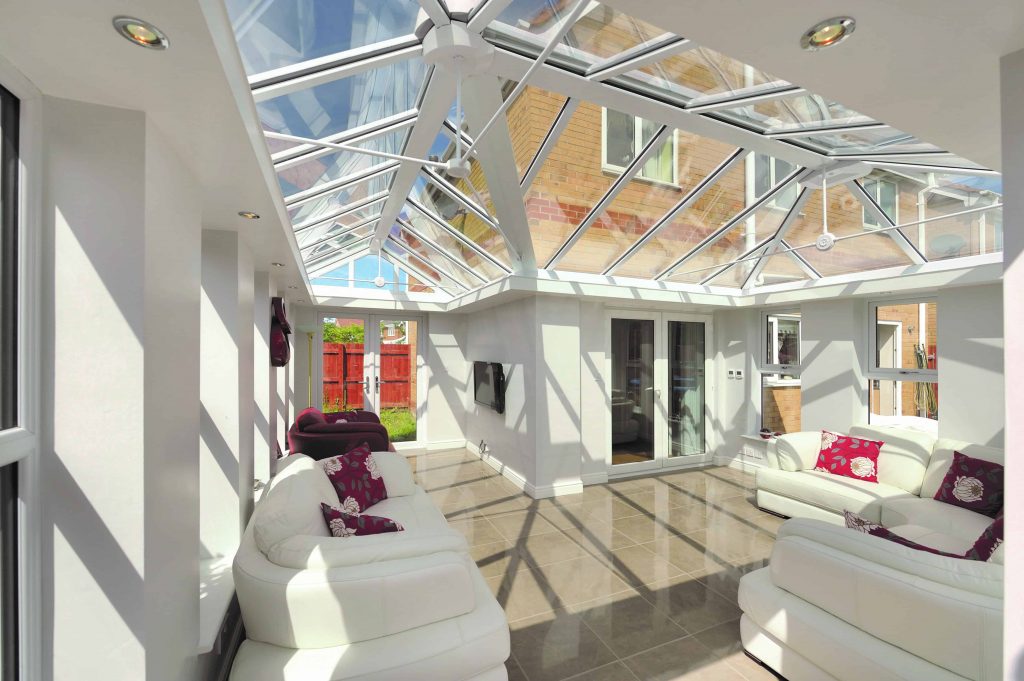
Do You Need Planning Permission for a Conservatory?
In many situations, conservatories fall under what’s known as “permitted development rights”. This means we can build without formal planning permission, provided the design meets certain criteria. These rules are set out by the UK Government and are intended to simplify home improvements while still protecting neighbouring properties and the surrounding area.
From our experience, most standard conservatories attached to a house will qualify under permitted development. However, this depends on factors such as size, height, and position. For example, the conservatory must not extend beyond a certain depth from the rear of the property, and it must not take up more than half of the land around the original house.
The Planning Portal, which provides official UK guidance, outlines these requirements clearly and is a reliable source when checking your eligibility. Even when a project seems straightforward, we always recommend verifying details early to avoid complications later.
Key Rules Under Permitted Development
Understanding the specific limits is essential before committing to a design. In our experience, these are the areas where most confusion tends to arise, particularly when homeowners are working with tight spaces or larger plans.
Size and Height Restrictions
The size of your conservatory plays a major role in whether planning permission is required. For detached houses, rear extensions can typically extend up to 4 metres, while semi-detached and terraced homes are usually limited to 3 metres without prior approval.
Height is another important factor. The conservatory must not exceed the height of the existing roof, and if it’s within 2 metres of a boundary, the maximum height is usually restricted to 3 metres. These limits help ensure that neighbouring properties are not overshadowed or negatively impacted.
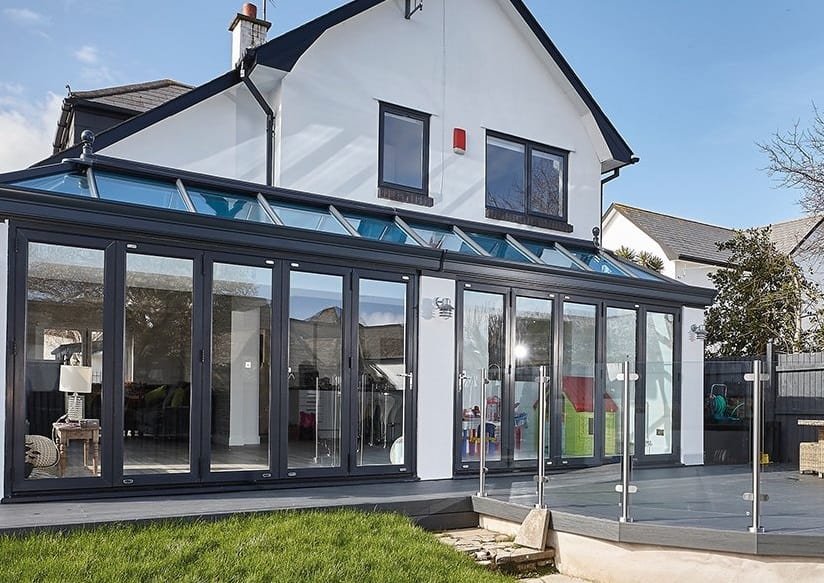
Location and Property Type
Where your conservatory is positioned also affects planning requirements. It must generally be built at the rear of the property, not at the front facing a road. Side extensions may be allowed, but stricter rules apply.
Property type is equally important. If your home is listed or located in a conservation area, permitted development rights may be restricted. In these cases, we often advise seeking guidance from your local planning authority early in the process.
Materials and Design Considerations
The materials used should be in keeping with the existing property. While conservatories often feature large glazed sections, the overall appearance should still complement the house. From our experience, thoughtful design choices can make a significant difference in gaining approval when required.
When Planning Permission Is Required
There are several scenarios where planning permission becomes necessary. One of the most common is when the conservatory exceeds permitted development limits, whether in size, height, or overall footprint.
We’ve also seen cases where permission is required due to previous extensions. If your property has already been extended, it may have used up its permitted development allowance. This is something that’s often overlooked, particularly in homes that have changed ownership multiple times.
Another key situation involves designated areas such as national parks or conservation areas. In these locations, planning controls are stricter to preserve the character of the surroundings. According to Historic England, any development in such areas should be carefully considered to ensure it aligns with local heritage and design expectations.
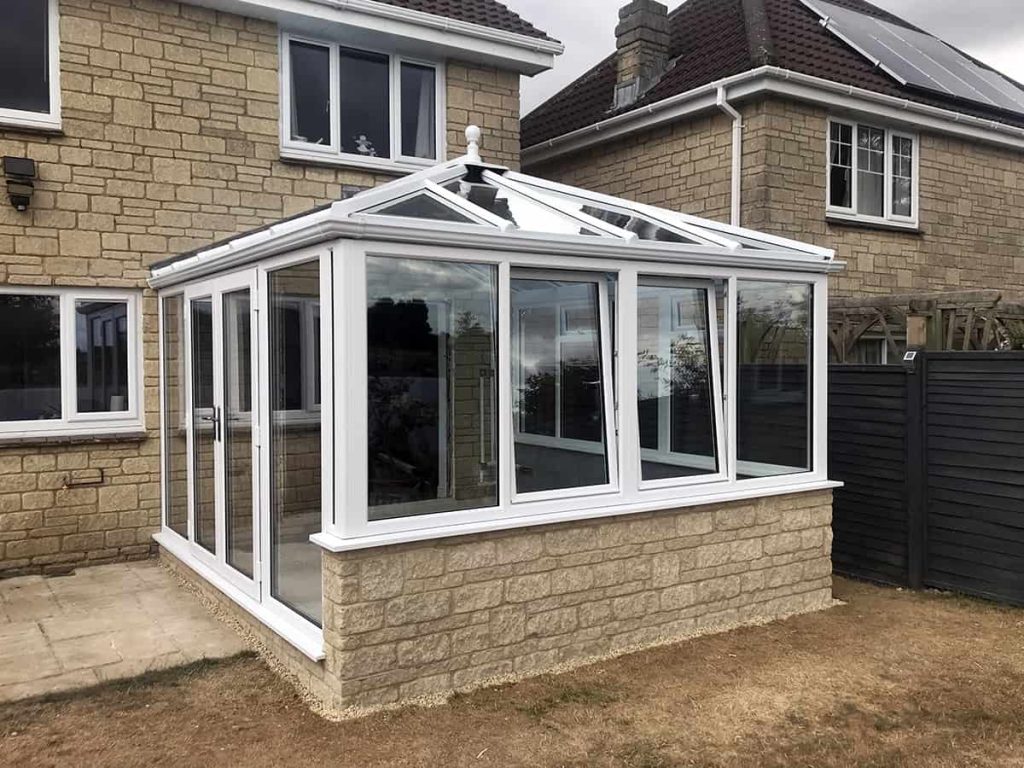
Building Regulations vs Planning Permission
One of the most common misunderstandings we come across is the difference between planning permission and building regulations. Even if your conservatory doesn’t require planning approval, it may still need to comply with building regulations.
In many cases, conservatories are exempt from building regulations if they meet certain conditions, such as being separated from the main house by external doors and having independent heating systems. However, elements like electrical work or structural changes may still require approval.
From our experience, it’s always best to treat building regulations as a separate consideration rather than assuming they are covered under permitted development. This ensures safety, compliance, and long-term peace of mind.
Common Mistakes to Avoid
Over the years, we’ve seen a number of recurring issues that can delay or complicate conservatory projects. One of the most frequent is relying on assumptions rather than checking official guidance. Even small design changes can impact whether planning permission is needed.
Another common mistake is failing to consider neighbouring properties. Overlooking factors such as privacy, light obstruction, or boundary proximity can lead to disputes or objections. Taking these into account early helps create a smoother process for everyone involved.
We also often see homeowners underestimate the importance of accurate measurements and site assessments. Working with experienced professionals ensures that designs are compliant from the start, reducing the risk of costly adjustments later.
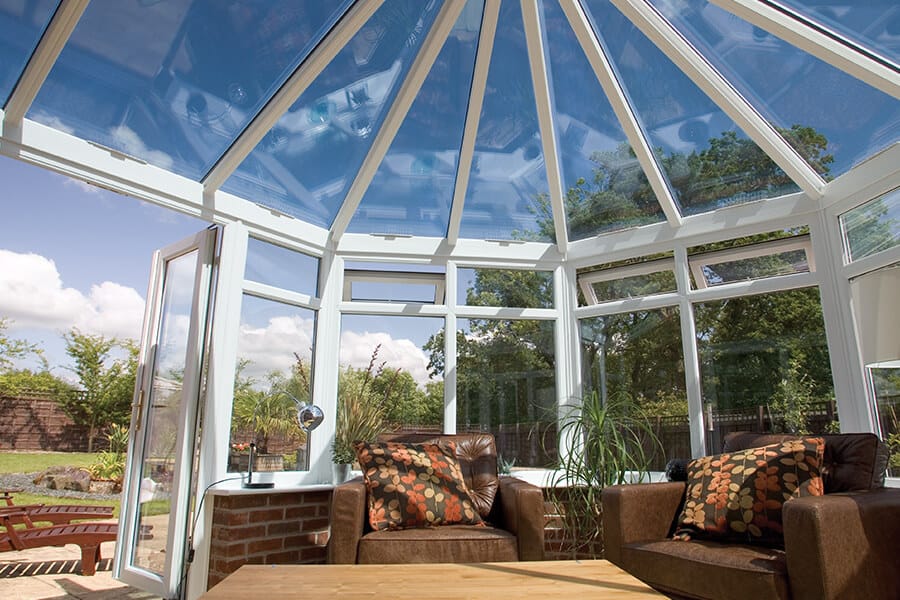
Final Thoughts on Conservatory Planning in the UK
Planning permission for a conservatory doesn’t have to be complicated, but it does require careful attention to detail. From our experience, the most successful projects are those where homeowners take the time to understand the rules and seek guidance where needed.
Whether your conservatory falls under permitted development or requires formal approval, making informed decisions at each stage will save time, money, and stress. By aligning your plans with current regulations and considering both design and practicality, you can create a space that enhances your home for years to come.
If you’re unsure about your specific situation, speak with our professionals or your local authority is always a worthwhile step. It ensures that your project moves forward with confidence and clarity from day one.
Frequently Asked Questions
Do I always need planning permission for a conservatory in the UK?
In many cases, planning permission is not required because conservatories often fall under permitted development rights. From our experience, this applies when the structure stays within specific size, height, and location limits. However, this is not guaranteed for every property. Homes in conservation areas or listed buildings often have stricter rules, so it’s always worth confirming with your local planning authority before starting work.
How big can a conservatory be without planning permission?
The size limits depend on the type of property. Typically, detached houses can extend up to 4 metres at the rear, while semi-detached and terraced homes are limited to 3 metres. There are options to extend further under prior approval, but this involves additional steps. We always recommend measuring carefully and reviewing your property’s history, as previous extensions can affect what is allowed.
Do conservatories need building regulations approval?
Not all conservatories require building regulations approval, but many elements still need to comply. For example, electrical installations and certain structural aspects must meet current standards. In our experience, even when a conservatory is exempt, it’s important to ensure the work is completed safely and professionally to avoid issues later.
Can I build a conservatory on a flat or maisonette?
Permitted development rights generally apply to houses rather than flats or maisonettes. This means planning permission is usually required for these types of properties. We’ve worked with homeowners in these situations, and early discussions with the local council are essential to understand what’s possible.
What happens if I build a conservatory without permission?
If planning permission was required and not obtained, you may be asked to submit a retrospective application. In some cases, this can lead to enforcement action, including changes or removal of the structure. From our experience, it’s far easier and less stressful to confirm requirements before construction begins.
Will a conservatory add value to my home?
A well-designed conservatory can increase the appeal and usability of your home, which may positively influence its value. The key is ensuring the design complements the property and meets all regulations. Buyers often look for spaces that feel like a natural extension of the home, and our experience shows that quality and compliance play a big role in this.